Introduction
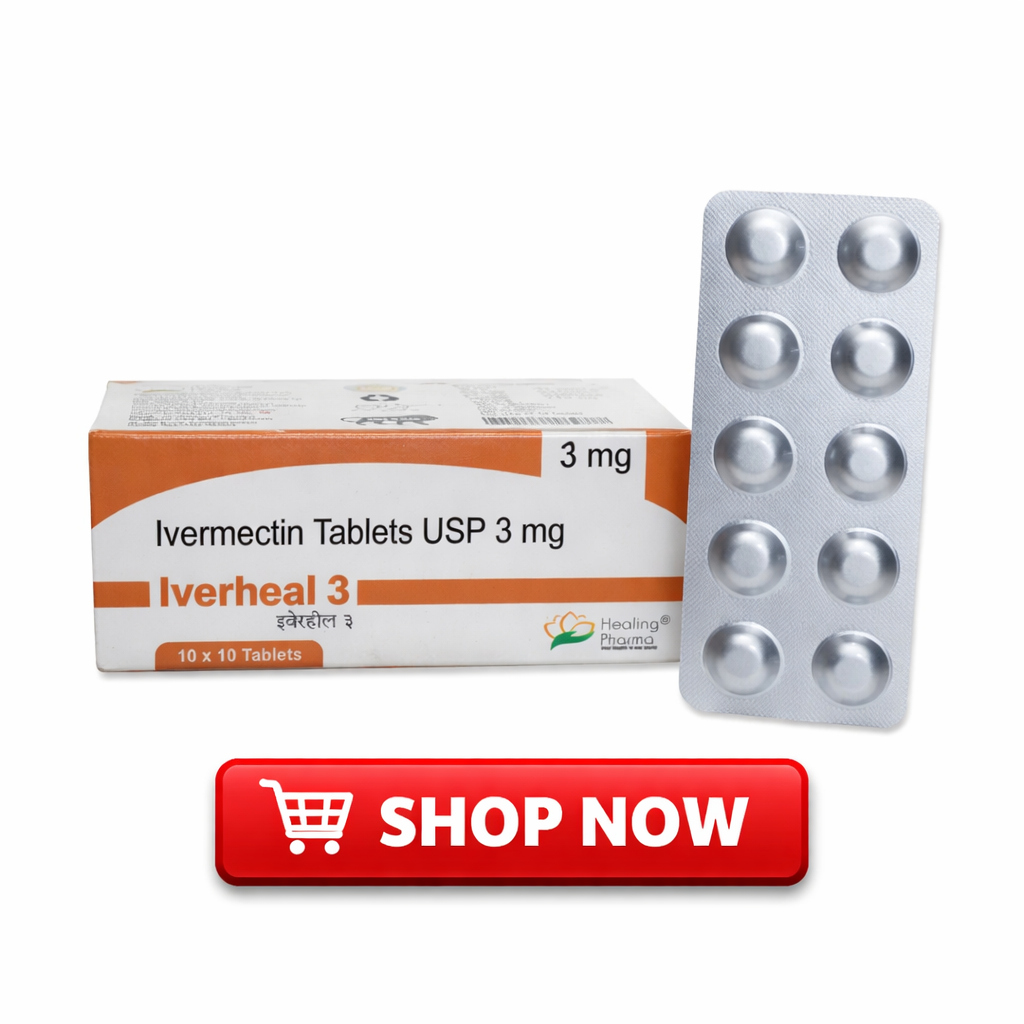
Iverheal 3 mg is an oral prescription medication that contains ivermectin, a well‑established antiparasitic agent used by healthcare providers around the world. Unlike antibiotics or antiviral drugs, ivermectin works specifically against parasitic organisms — worms and mites — that cause human disease.
For decades, ivermectin has been endorsed by global health authorities, including the World Health Organization (WHO) and the Centers for Disease Control and Prevention (CDC), as a first‑line treatment for certain parasitic infections when diagnosed or clinically suspected.
Important Reminder: This post is meant for educational purposes only. Always consult a licensed healthcare provider before starting or adjusting any prescription medication.
What Is Iverheal 3 mg?
Iverheal 3 mg is a pharmaceutical tablet formulation of ivermectin. Each tablet contains 3 milligrams of the active drug. It belongs to the class of medications called anthelmintics — drugs that help eliminate parasitic worms and other parasites from the body.
Unlike over‑the‑counter remedies, Iverheal 3 mg is prescription‑only, meaning a qualified physician must evaluate your condition and prescribe the medicine appropriately.
How Iverheal 3 mg Works
The active ingredient, ivermectin, targets the nervous system of parasites. It binds to specific channels on the nerve and muscle cells of parasitic organisms, causing an influx of chloride ions which leads to paralysis and eventual death of the parasite. Since human nerve cells do not have the same sensitivity, ivermectin generally has a strong safety margin at medically recommended doses.
Note: Ivermectin does not directly kill parasite eggs, so in some infections, complete eradication may require multiple treatments or combined therapy.
Medical Uses of Iverheal 3 mg
Iverheal 3 mg is prescribed for specific parasitic infections. Below are the main conditions for which it is used:
1. Intestinal Strongyloidiasis
Cause: Infection by Strongyloides stercoralis, a parasitic roundworm affecting the intestines.
Symptoms may include:
- Abdominal discomfort
- Diarrhea
- Weight loss
- Skin rashes
Ivermectin is generally the first‑line treatment for strongyloidiasis. The CDC recommends a dose of approximately 200 micrograms per kilogram (mcg/kg) taken orally, often as a single dose or sometimes repeated based on clinical evaluation and follow‑up stool exams.
Internal link: Read more in our article on [intestinal parasites and treatment options].
2. Onchocerciasis (River Blindness)
Cause: Infection by Onchocerca volvulus, transmitted by blackflies in endemic areas.
Symptoms include:
- Skin nodules
- Itchy rash
- Progressive eye damage and potential vision loss
Ivermectin is widely used to reduce microfilariae levels, slow disease progression, and prevent blindness. The WHO supports its use as part of community‑wide control programs.
Internal link: Learn more in our article on [vector‑borne parasitic diseases].
3. Scabies
Cause: The mite Sarcoptes scabiei burrows into the skin, causing intense itching and rash.
While topical treatments like permethrin are first‑line, oral ivermectin is an important option for:
- Severe or crusted scabies
- Widespread infestation
- Cases where topical therapy fails or is impractical
Dosage typically involves one dose repeated after 1–2 weeks, but specific regimens should be decided by a clinician.
Internal link: See our complete guide on [scabies causes and treatment].
Other Uses (Off‑Label & Less Common)
In selected cases and under medical supervision, ivermectin may also be used for:
- Cutaneous larva migrans (skin‑penetrating larvae)
- Certain filarial infections
- Off‑label for other parasitic infestations
These are less common and require a specialist’s evaluation.
Dosage and Administration of Iverheal 3 mg
Determining the right dose of Iverheal depends on:
- Type of infection
- Body weight
- Age
- Overall health
A provider calculates ivermectin dosing in micrograms per kilogram of body weight, often rounded to the nearest practical tablet count.
Example Dosing Regimens
According to clinical sources, typical adult dosing may look like this:
| Body Weight | Approximate Dose (mg) |
|---|---|
| 15–24 kg | 3 mg (1 tablet) |
| 25–35 kg | 6 mg (2 tablets) |
| 36–50 kg | 9 mg (3 tablets) |
| 51–65 kg | 12 mg (4 tablets) |
| ≥66 kg | Weight‑based dosing at ~200 mcg/kg |
Always take ivermectin on an empty stomach with water unless otherwise directed.
Never adjust doses or repeat courses without medical advice.
Safety Information and Precautions
Before using Iverheal 3 mg, disclose the following to your doctor:
Current medications and supplements
Liver or kidney disorders
Pregnancy or breastfeeding
Immune system conditions (e.g., HIV)
History of neurological disorders
This helps avoid interactions and optimize safety.
Possible Side Effects
Common Side Effects
Patients may experience mild, transient symptoms, including:
- Headache
- Nausea
- Dizziness
- Fatigue
- Mild skin rash
Rare but Serious Side Effects
Although uncommon, serious reactions may occur:
- Severe allergic reaction (hives, breathing difficulty)
- Neurological symptoms (confusion, balance issues)
- Vision changes
- Severe rash or swelling
Seek medical help immediately if serious symptoms develop.
Drug Interactions
Ivermectin may interact with:
- Certain sedatives
- Blood thinners
- Anticonvulsants
- Herbal supplements
Always provide a full medication list to your clinician.
For more about interactions, check out [our drug interactions guide].
Storage and Handling
Proper storage improves medication stability:
Store at room temperature
Protect from light and moisture
Keep out of reach of children
Do not use past the expiration date
Discard unused medication according to your pharmacy’s guidance.
Regulatory and Global Health Perspective
Ivermectin is included on the WHO Model List of Essential Medicines for treating parasitic infections in humans. It has decades of clinical use and is generally well‑tolerated when used under medical supervision.
Frequently Asked Questions (FAQs)
1. Is Iverheal 3 mg safe?
Yes, when used as prescribed by a qualified healthcare provider.
2. Can Iverheal 3 mg be taken without a prescription?
No. It is prescription‑only in most countries.
3. Does it treat viral or bacterial infections?
No. Iverheal only works against certain parasites, not viruses or bacteria.
4. Can children use Iverheal 3 mg?
Only under medical guidance, typically in children weighing above 15 kg.
5. Does it cure all parasitic infections?
No — only specific types of worm and mite infections.
Conclusion
Iverheal 3 mg is an evidence‑based, prescription antiparasitic medication effective for conditions such as intestinal strongyloidiasis, onchocerciasis (river blindness), and selected cases of scabies. Its mechanism of action, dosing strategies, and safety profile are well documented in clinical guidelines.
By following professional medical advice, adhering to recommended doses, and understanding potential side effects, patients can use Iverheal 3 mg to effectively treat parasitic infections while minimizing risks.