Introduction
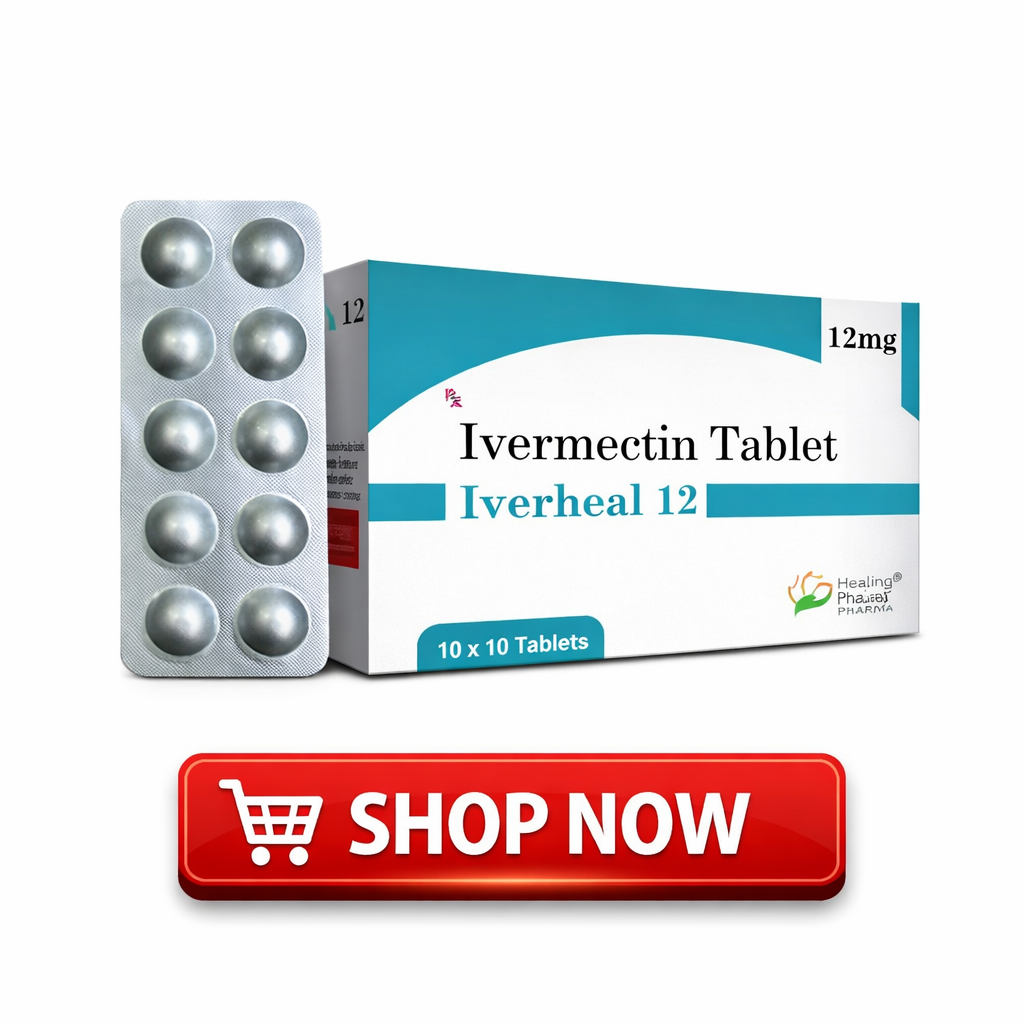
Iverheal 12 mg is an oral tablet containing ivermectin 12 mg, an antiparasitic medicine used to treat certain infections caused by parasites. Ivermectin belongs to the anthelmintic class of medicines and works by interfering with the nervous system of susceptible parasites, ultimately causing their paralysis and elimination.
Iverheal 12 mg is marketed in India as a prescription medicine. The exact manufacturer or marketer can vary by product listing, so patients should check the packaging and prescription before use. Current Indian listings identify Iverheal 12 mg as containing ivermectin 12 mg.
This guide explains Iverheal ivermectin 12 mg, including its common uses, how it works, dosage considerations, possible side effects, precautions, and frequently asked questions.
What Is Iverheal Ivermectin 12 mg?
Iverheal 12 mg is a tablet containing 12 mg of ivermectin as its active ingredient. Ivermectin is an antiparasitic drug used against certain parasitic worms and other susceptible parasites.
The medicine should be taken only for an appropriate parasitic infection and according to a healthcare professional’s instructions. The strength of 12 mg does not mean that every patient should take one 12 mg tablet as a standard dose. Ivermectin dosing can depend on the infection, body weight, age, medical history, and treatment response.
Iverheal 12 mg Uses
Ivermectin tablets have established medical uses for certain parasitic infections. The official ivermectin tablet labeling includes treatment of intestinal strongyloidiasis and onchocerciasis.
Depending on local clinical practice, oral ivermectin may also be prescribed for conditions such as scabies. However, the appropriate treatment and whether oral ivermectin is suitable depend on the individual patient’s condition and local medical guidance.
1. Strongyloidiasis
Strongyloidiasis is an intestinal infection caused by the parasitic roundworm Strongyloides stercoralis. Ivermectin is an established treatment for intestinal strongyloidiasis.
2. Onchocerciasis
Ivermectin is also used to treat onchocerciasis, commonly known as river blindness, caused by Onchocerca volvulus. The medicine targets the parasite’s microfilariae, helping reduce the parasite burden. It does not directly kill adult O. volvulus worms.
3. Scabies
Scabies is a contagious skin infestation caused by the mite Sarcoptes scabiei. Oral ivermectin can be prescribed in selected cases, particularly when a clinician considers systemic treatment appropriate. Treatment plans can differ from those used for other parasitic infections.
How Does Iverheal 12 mg Work?
Ivermectin acts on specific chloride channels in susceptible parasites. This increases chloride-ion movement across nerve and muscle cell membranes, producing paralysis and eventually death of the parasite.
Because its action is directed toward susceptible parasites, ivermectin is not a general-purpose medicine for every type of infection.
Iverheal 12 mg Dosage
There is no single universal Iverheal 12 mg dosage that is appropriate for everyone.
For example, the official ivermectin tablet labeling describes a weight-based dose for intestinal strongyloidiasis and onchocerciasis rather than simply instructing every patient to take a fixed 12 mg tablet.
Your doctor may consider:
- The type of parasitic infection
- Your body weight
- Your age
- The severity of the infection
- Other medicines you take
- Liver and other health considerations
- Whether another dose is required
Do not increase, repeat, or extend ivermectin treatment without medical advice.
How to Take Iverheal 12 mg
Take the tablet exactly as prescribed. Follow the instructions provided by your doctor or pharmacist regarding food and timing because recommendations can vary according to the condition being treated.
Swallow the tablet with water and do not take more tablets than prescribed.
If you forget a dose, follow your healthcare professional’s instructions rather than automatically taking an additional tablet.
Iverheal 12 mg Side Effects
Like other medicines, ivermectin can cause side effects, although not everyone experiences them.
Reported or commonly described effects can include:
- Nausea
- Dizziness
- Vomiting
- Stomach discomfort
- Diarrhea
- Weakness or tiredness
- Headache
Some reactions may be related to the death of parasites and can vary according to the infection being treated.
Serious Reactions
Seek prompt medical attention if you develop severe or unusual symptoms such as:
- Severe dizziness or confusion
- Significant weakness
- Difficulty breathing
- Severe skin rash or swelling
- Vision changes
- Loss of consciousness
- Severe neurological symptoms
People being treated for onchocerciasis can experience inflammatory reactions associated with dying microfilariae, and these may require medical assessment.
Iverheal 12 mg Precautions
Before taking Iverheal 12 mg, tell your doctor about your medical history and all medicines or supplements you use.
Extra care may be required if you:
- Have a history of liver problems
- Have neurological problems
- Have previously experienced an allergic reaction to ivermectin
- Are taking medicines that may interact with ivermectin
- Are pregnant or planning pregnancy
- Are breastfeeding
- Are giving the medicine to a child
Ivermectin should be used in children only when specifically recommended by an appropriate healthcare professional. The suitability of treatment can depend on age and body weight.
Iverheal 12 mg and Pregnancy
If you are pregnant or planning to become pregnant, consult a healthcare professional before using ivermectin.
Do not start ivermectin during pregnancy simply because you have previously used it or because someone else has recommended it. Your doctor can assess the potential benefits and risks for your particular situation.
Iverheal 12 mg While Breastfeeding
If you are breastfeeding, speak with your doctor before taking Iverheal 12 mg. The decision to use ivermectin should consider the reason for treatment, your health, and the age and condition of the infant.
Iverheal 12 mg Drug Interactions
Tell your doctor about all prescription medicines, over-the-counter medicines, vitamins, and supplements you are taking.
Particular attention may be needed when ivermectin is combined with medicines that can affect drug metabolism or the central nervous system. Your healthcare professional can determine whether your current medicines are compatible with ivermectin.
Do not stop an important prescription medicine without medical advice.
Can Iverheal 12 mg Be Used for COVID-19?
Iverheal contains ivermectin, but ivermectin should not be self-used to prevent or treat COVID-19 unless specifically recommended within an appropriate medical setting and according to current evidence and guidance.
Ivermectin is an antiparasitic medicine with established uses against certain parasitic infections; it is not a general antiviral medicine. The approved ivermectin tablet labeling describes parasitic indications such as strongyloidiasis and onchocerciasis.
Iverheal 12 mg Storage
Store Iverheal according to the instructions on the product packaging and keep it away from excessive heat, moisture, and direct light. One current product listing recommends storage below 30°C.
Keep medicines out of the reach of children.
Iverheal 12 mg Overdose
Taking more ivermectin than prescribed can increase the risk of adverse effects. Do not take extra tablets because you believe a higher dose will work faster.
If you suspect that you or someone else has taken too much ivermectin, contact a healthcare professional or seek urgent medical assistance.
Frequently Asked Questions
What is Iverheal 12 mg used for?
Iverheal 12 mg contains ivermectin and is used to treat certain parasitic infections. Established ivermectin tablet indications include intestinal strongyloidiasis and onchocerciasis; oral ivermectin may also be prescribed for conditions such as scabies in appropriate circumstances.
Is Iverheal 12 mg an antibiotic?
No. Iverheal 12 mg contains ivermectin, which is an antiparasitic medicine, not an antibiotic.
Can I take Iverheal 12 mg without a prescription?
It is best to use Iverheal 12 mg only after a healthcare professional has determined that ivermectin is appropriate for your condition. Self-treatment can result in an incorrect dose or treatment of the wrong condition.
How quickly does Iverheal 12 mg work?
The response depends on the parasite and infection being treated. Some symptoms may improve relatively quickly, while complete resolution can take longer. Follow-up may be necessary for certain infections.
Can I take Iverheal 12 mg every day?
Do not take ivermectin every day unless your doctor specifically prescribes that schedule. The appropriate dosing schedule varies by condition.
Is Iverheal 12 mg safe?
Ivermectin can be effective and well tolerated when appropriately prescribed, but it is not suitable for everyone. The safest approach is to use the prescribed dose and inform your doctor about your medical history and other medicines.
Final Thoughts
Iverheal ivermectin 12 mg is an antiparasitic tablet containing 12 mg of ivermectin. It can be used for certain parasitic infections, including intestinal strongyloidiasis and onchocerciasis, while oral ivermectin may also be used for selected cases of scabies under medical supervision.
The correct dose is not determined simply by the tablet strength. It can depend on body weight, the type of infection, and individual medical circumstances. For this reason, Iverheal 12 mg should be used according to a healthcare professional’s prescription rather than as a self-treatment.