Introduction
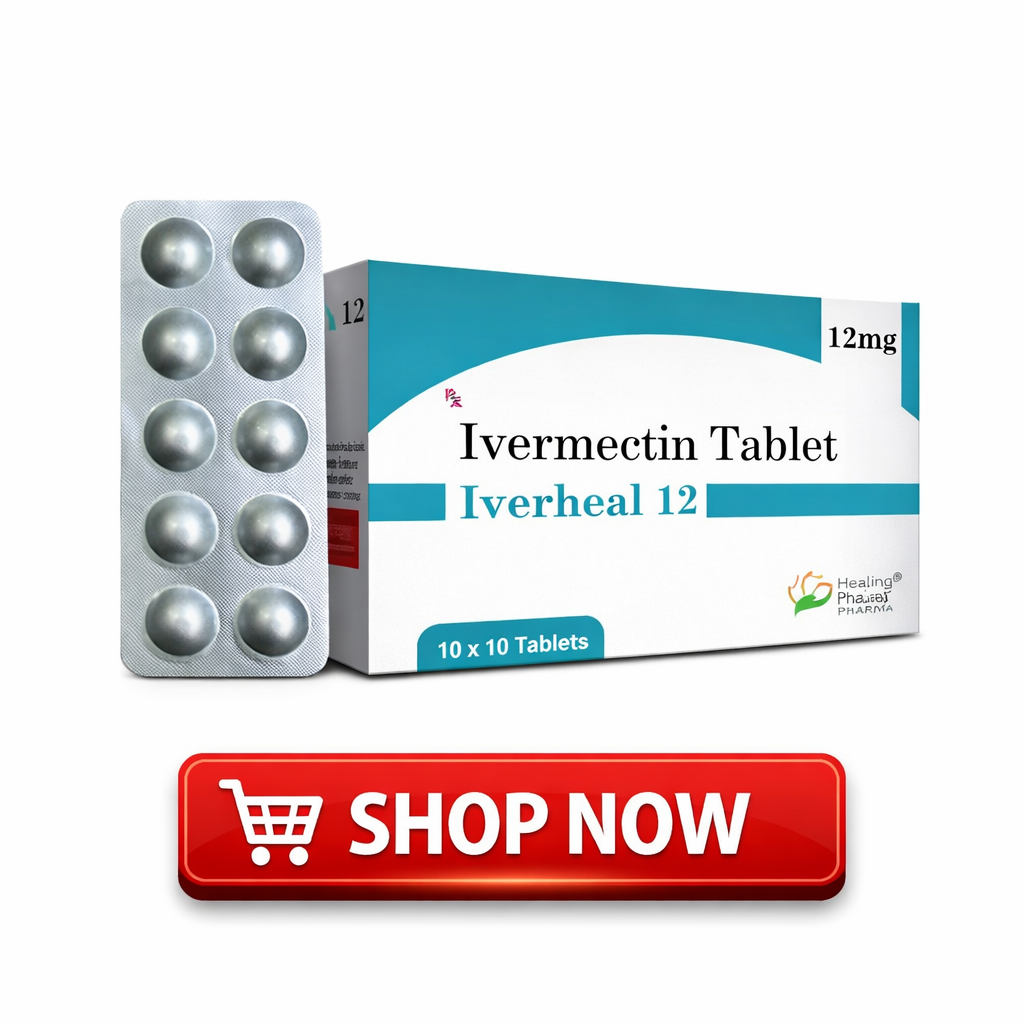
Iverheal 12 mg is a prescription medicine containing ivermectin 12 mg, an antiparasitic drug. It is used to treat certain parasitic infections affecting the intestines, skin, blood, or other tissues. The exact use and dose depend on the type of infection, body weight, age, medical history, and the doctor’s treatment plan.
Ivermectin works against susceptible parasites by interfering with their nerve and muscle function, eventually causing paralysis and elimination of the parasite.
Because ivermectin dosing is often weight-based, a 12 mg tablet should not automatically be considered the correct dose for every person. It should be taken only according to a healthcare professional’s instructions.
What Is Iverheal 12 mg?
Iverheal 12 mg Tablet contains 12 mg of ivermectin and belongs to the antiparasitic/anthelmintic class of medicines. It is marketed in India by Healing Pharma India Pvt. Ltd.
Depending on the diagnosis, ivermectin may be prescribed for conditions such as:
- Intestinal strongyloidiasis
- Onchocerciasis (river blindness)
- Certain other parasitic worm infections
- Scabies in appropriate patients
- Some other parasitic infections when specifically prescribed by a doctor
The approved indications can vary by country and formulation, so patients should follow the indication provided by their healthcare professional.
How Does Iverheal 12 mg Work?
Iverheal contains ivermectin, which acts on the nervous and muscular systems of susceptible parasites. It increases the activity of certain chloride channels in the parasite, resulting in paralysis and eventual death or elimination of the parasite.
This action helps the body clear the infection.
Ivermectin is specifically established as a treatment for intestinal strongyloidiasis and onchocerciasis in oral tablet formulations.
Iverheal 12 mg Treatment: What Is It Used For?
1. Strongyloidiasis
Strongyloidiasis is an intestinal infection caused by the parasitic roundworm Strongyloides stercoralis. Ivermectin is considered first-line treatment for this infection.
CDC guidance lists oral ivermectin at approximately 200 micrograms per kilogram as first-line treatment, with the exact treatment schedule determined by the clinician.
Follow-up testing may be necessary, particularly when symptoms or infection persist.
2. Onchocerciasis
Ivermectin is also used to treat onchocerciasis, a parasitic disease caused by Onchocerca volvulus. It primarily reduces the microfilariae responsible for many manifestations of the disease.
Additional treatment may sometimes be needed under medical supervision.
3. Scabies
Oral ivermectin may be prescribed for scabies in certain circumstances, particularly when topical treatment is unsuitable or when infection is widespread.
For classic scabies, CDC guidance describes oral ivermectin as 200 micrograms/kg per dose, with two doses generally given 7–14 days apart when oral treatment is selected. However, oral ivermectin is not FDA-approved specifically for scabies, so this use should be determined by a healthcare professional.
4. Other Parasitic Infections
Doctors may sometimes prescribe ivermectin for other susceptible parasitic infections based on clinical judgment and local treatment recommendations. Do not use Iverheal simply because you suspect that you have worms or another parasite; proper diagnosis is important.
Iverheal 12 mg Dosage
The appropriate ivermectin dose is not determined simply by the tablet strength.
For example, the U.S. prescribing information for ivermectin tablets recommends approximately 200 micrograms/kg for intestinal strongyloidiasis. The number of tablets therefore depends on body weight and the strength of the tablets available.
A doctor may consider:
- Body weight
- Type of parasite
- Severity of infection
- Age
- Other medical conditions
- Other medicines being taken
- Previous treatment
- Pregnancy or breastfeeding status
Do not take extra Iverheal 12 mg tablets to make treatment work faster. Higher-than-recommended doses can cause serious toxicity.
Should Iverheal 12 mg Be Taken With Food?
Instructions can vary according to the condition being treated.
For certain approved oral ivermectin uses, prescribing information recommends taking the medicine on an empty stomach with water. However, CDC scabies guidance recommends oral ivermectin with food because food increases ivermectin bioavailability.
Therefore, follow the specific instructions given for your diagnosis rather than applying one rule to every use.
How to Take Iverheal 12 mg
If your doctor has prescribed Iverheal 12 mg:
- Take it exactly as prescribed.
- Swallow the tablet with water.
- Do not take additional tablets without medical advice.
- Follow the food instructions provided for your particular treatment.
- Do not repeat treatment simply because itching or other symptoms continue.
- Attend follow-up testing when recommended.
For strongyloidiasis, follow-up stool examinations may be recommended to confirm that the infection has cleared.
Iverheal 12 mg Side Effects
Like other medicines, Iverheal can cause side effects.
Commonly reported effects can include:
- Nausea
- Diarrhea
- Dizziness
- Headache
- Itching
- Rash
- Stomach discomfort
Product information for Iverheal 12 mg also lists symptoms such as dizziness, nausea, diarrhea, itching, and other reactions.
Most mild reactions may resolve as the body adjusts, but persistent or worsening symptoms should be discussed with a healthcare professional.
Serious Side Effects
Seek urgent medical attention if you develop symptoms such as:
- Severe dizziness or loss of coordination
- Confusion
- Seizures
- Difficulty breathing
- Severe allergic reaction
- Loss of consciousness
- Significant swelling or widespread hives
Large or inappropriate doses of ivermectin can be dangerous and have been associated with neurological toxicity, low blood pressure, seizures, coma, and other serious effects.
Iverheal 12 mg Precautions
Before taking Iverheal, tell your doctor if you:
- Have liver or kidney problems
- Are pregnant or planning pregnancy
- Are breastfeeding
- Have a weakened immune system
- Take medicines regularly
- Have a suspected or known Loa loa infection
- Have previously experienced an allergic reaction to ivermectin
People with possible Loa loa infection require particular medical consideration because ivermectin can cause serious neurological reactions in certain circumstances.
Iverheal 12 mg During Pregnancy
Ivermectin should not be taken during pregnancy unless a healthcare professional determines that treatment is appropriate.
Pregnant patients should discuss their condition and alternative treatment options with their doctor before taking Iverheal.
Iverheal 12 mg and Breastfeeding
If you are breastfeeding, speak with your doctor before using Iverheal 12 mg. The decision should take into account the mother’s condition, the available safety information, and the potential benefits and risks.
Iverheal 12 mg for Children
The safety and appropriate dosing of ivermectin depend strongly on body weight and age. Ivermectin tablets should not be given to children below the relevant weight threshold unless specifically recommended by a qualified healthcare professional.
CDC guidance lists people weighing less than 15 kg among groups for whom ivermectin treatment for strongyloidiasis requires particular caution.
Iverheal 12 mg Drug Interactions
Tell your doctor about all prescription medicines, over-the-counter medicines, and supplements you use.
Ivermectin can interact with certain medicines, and the FDA notes that even approved doses can interact with medications such as blood thinners.
Do not start or stop another medicine solely to take Iverheal without medical advice.
Can Iverheal 12 mg Treat COVID-19?
Iverheal 12 mg should not be used to prevent or treat COVID-19 unless specifically directed in a legitimate clinical context by a qualified healthcare professional.
The FDA states that ivermectin is not approved or authorized for preventing or treating COVID-19 and that available clinical trial evidence has not established it as an effective COVID-19 treatment.
Animal ivermectin products should never be substituted for human medicines.
Iverheal 12 mg vs. Other Ivermectin Tablets
Iverheal 12 mg and other ivermectin tablets may contain the same active ingredient, but products can differ in manufacturer, formulation, tablet strength, and regulatory status.
Do not switch between brands or strengths without checking with a pharmacist or doctor. The correct number of tablets depends on the prescribed ivermectin dose—not simply on the product name.
What Happens If You Miss a Dose?
Whether you need another dose depends on the infection being treated.
Some ivermectin treatments involve a single dose, while others require repeated doses. If you miss a scheduled dose, contact your doctor or pharmacist for instructions rather than automatically taking an extra tablet.
What Happens If You Take Too Much Iverheal?
An ivermectin overdose can be dangerous.
Possible symptoms include:
- Nausea and vomiting
- Dizziness
- Low blood pressure
- Loss of balance or coordination
- Confusion
- Seizures
- Reduced consciousness
The FDA warns that large doses of ivermectin can cause serious and potentially life-threatening toxicity.
If you believe you have taken too much, seek emergency medical care promptly.
Iverheal 12 mg Storage
Store Iverheal according to the product label and keep it away from excessive heat and moisture. Keep medicines out of reach of children.
Do not use tablets after their expiry date.
Frequently Asked Questions
Is Iverheal 12 mg an antibiotic?
No. Iverheal 12 mg contains ivermectin, an antiparasitic medicine. It is not an antibiotic used to treat bacterial infections.
Is Iverheal 12 mg used for worms?
Yes. Ivermectin is used for certain parasitic worm infections, including intestinal strongyloidiasis and onchocerciasis.
Is one Iverheal 12 mg tablet enough?
Not necessarily. The required dose depends on the infection and body weight. Some conditions require a single dose, while others may require repeated treatment.
Can I take Iverheal 12 mg without a prescription?
Self-treatment is not recommended. The correct diagnosis and dose should be established by a healthcare professional.
Can Iverheal 12 mg cure scabies?
Oral ivermectin can be used for scabies in selected situations. Treatment commonly involves more than one dose, and household/environmental management may also be important.
Does Iverheal 12 mg kill all types of worms?
No. Ivermectin is effective against particular parasites, not every type of worm. The appropriate medicine depends on the specific parasite causing the infection.
Can I take Iverheal 12 mg for itching?
Unexplained itching does not necessarily mean you have a parasitic infection. Iverheal should not be taken simply to treat itching without identifying the underlying cause.
Final Thoughts
Iverheal 12 mg is an ivermectin-containing antiparasitic medicine that can be useful for specific parasitic infections when prescribed appropriately. Its correct dose depends on the condition being treated and factors such as body weight and medical history.
Although ivermectin is effective against certain parasites, taking more medicine than prescribed does not improve treatment and can increase the risk of serious adverse effects. Always use Iverheal 12 mg according to your doctor’s instructions and seek medical advice if symptoms persist or worsen.
Medical Disclaimer: This article is intended for general educational purposes and does not replace professional medical advice, diagnosis, or treatment. Do not start, stop, or change the dose of Iverheal 12 mg without consulting a qualified healthcare professional.