Introduction
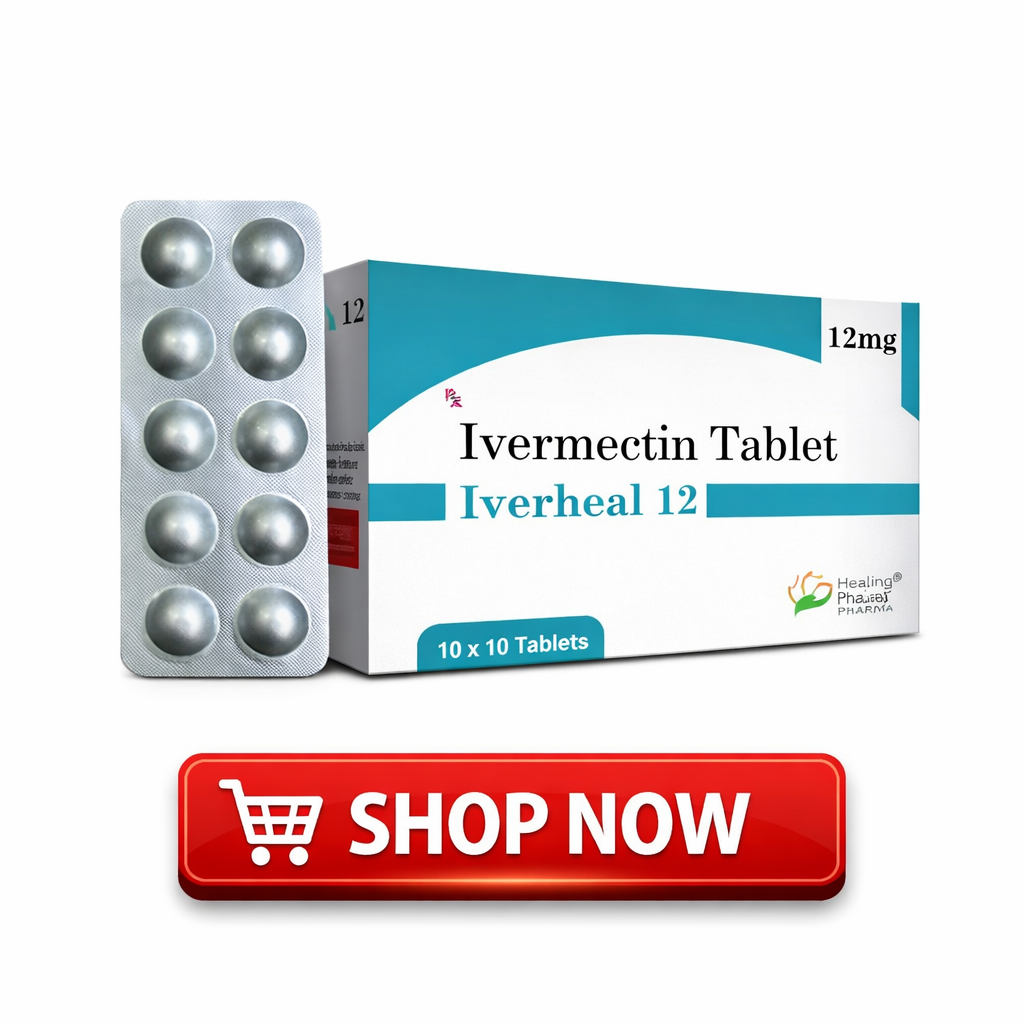
Iverheal 12 mg is an oral tablet containing ivermectin 12 mg, an antiparasitic medicine manufactured by Healing Pharma India.
The correct Iverheal 12 mg dosage is not the same for everyone. Ivermectin dosing is generally determined by the infection being treated and the patient’s body weight. Therefore, a 12 mg tablet should not automatically be considered a standard single dose for every person.
This guide explains the important dosage principles for Iverheal 12 mg, including commonly referenced ivermectin regimens, administration instructions, precautions, and safety information.
Important: This article is for general educational purposes and does not replace a doctor’s prescription. Ivermectin should be used only for an appropriate diagnosed or suspected parasitic infection under medical guidance.
What Is Iverheal 12 mg?
Iverheal 12 mg contains 12 mg of ivermectin. Ivermectin belongs to the antiparasitic class of medicines and is used against certain parasitic infections.
Depending on the clinical situation, ivermectin may be used for conditions such as:
- Strongyloidiasis
- Onchocerciasis
- Scabies in appropriate patients
- Certain other parasitic infections when specifically prescribed
The approved indications and dosing recommendations can vary by country and by product labeling.
Iverheal 12 mg Dosage: Why Weight Matters
Ivermectin is commonly prescribed according to micrograms per kilogram (mcg/kg) rather than simply prescribing one tablet to every patient.
For example, the FDA-approved labeling for oral ivermectin recommends approximately 200 mcg/kg for intestinal strongyloidiasis and approximately 150 mcg/kg for onchocerciasis.
This means that the appropriate number of tablets depends on:
- Body weight
- The condition being treated
- Severity of infection
- Age
- Other medical conditions
- Other medicines being taken
Therefore, Iverheal 12 mg should not be taken simply because the tablet strength is 12 mg.
Iverheal 12 mg Dosage for Strongyloidiasis
For intestinal strongyloidiasis, the standard ivermectin regimen is approximately 200 mcg/kg orally. The FDA labeling describes this as a single oral dose, with follow-up testing recommended to confirm eradication.
CDC clinical guidance similarly lists ivermectin at 200 mcg/kg orally for 1–2 days for strongyloidiasis, depending on the clinical situation.
Example of Weight-Based Dosing
For standard ivermectin tablets, the FDA/DailyMed dosing table gives the following approximate single-dose tablet quantities for strongyloidiasis:
| Body weight | Approximate dose using 3 mg tablets |
|---|---|
| 15–24 kg | 3 mg |
| 25–35 kg | 6 mg |
| 36–50 kg | 9 mg |
| 51–65 kg | 12 mg |
| 66–79 kg | 15 mg |
| 80 kg or more | Approximately 200 mcg/kg |
This illustrates why 12 mg may be an appropriate calculated dose for some patients but not for everyone.
Iverheal 12 mg Dosage for Onchocerciasis
For onchocerciasis, ivermectin is generally dosed at approximately 150 mcg/kg as a single oral dose. Retreatment intervals depend on the patient’s clinical circumstances and local treatment programs.
The number of tablets required should be calculated according to body weight rather than automatically taking one 12 mg tablet.
Iverheal 12 mg for Scabies
Oral ivermectin may be used for scabies in appropriate patients, although oral ivermectin is not FDA-approved specifically for scabies in the United States.
CDC guidance recommends 200 mcg/kg per dose, with two doses taken 7–14 days apart for classic scabies. CDC also notes that ivermectin safety has not been established in children weighing less than 15 kg or in pregnant women.
The appropriate regimen for crusted scabies can be considerably more intensive and may involve ivermectin together with topical treatment. Such cases require medical supervision.
How to Take Iverheal 12 mg
Take Iverheal 12 mg exactly as prescribed by your healthcare professional.
For labeled ivermectin treatment of strongyloidiasis and onchocerciasis, the tablets are taken orally with water on an empty stomach.
However, administration instructions can differ according to the condition. For example, CDC scabies guidance recommends taking oral ivermectin with food to increase bioavailability.
Therefore, patients should follow the instructions given for their particular condition rather than applying one administration rule to every use.
Can I Take Iverheal 12 mg Without a Prescription?
It is not advisable to self-prescribe ivermectin.
The appropriate dose depends on body weight and the diagnosis. Taking an incorrect dose may result in inadequate treatment or increase the risk of adverse effects.
Before using Iverheal 12 mg, discuss the medicine with a qualified healthcare professional, particularly if you:
- Are pregnant or planning pregnancy
- Are breastfeeding
- Weigh less than 15 kg
- Have liver problems
- Have a weakened immune system
- May have Loa loa infection
- Take several prescription medicines
- Have previously experienced an allergic reaction to ivermectin
CDC lists persons weighing less than 15 kg and pregnant or lactating women among groups requiring particular caution for strongyloidiasis treatment.
Iverheal 12 mg Dosage in Children
Ivermectin dosing in children is generally weight-based.
Safety and effectiveness for children weighing less than 15 kg have not been established in U.S. labeling, and CDC guidance also advises against routine ivermectin use in this weight group.
Parents and caregivers should not estimate a child’s ivermectin dose using an adult 12 mg tablet.
What If You Miss a Dose?
The correct action depends on why ivermectin was prescribed and the prescribed schedule.
If you forget a scheduled dose, do not automatically take an extra tablet. Contact your doctor or pharmacist for instructions, particularly if your treatment involves multiple doses.
What If You Take Too Much Iverheal 12 mg?
Taking more ivermectin than prescribed can increase the risk of toxicity.
Possible symptoms of excessive ivermectin exposure can include:
- Nausea
- Vomiting
- Dizziness
- Drowsiness
- Weakness
- Confusion
- Loss of coordination
- Low blood pressure
- Seizures in severe cases
The ivermectin prescribing information reports neurological and gastrointestinal adverse effects and recommends supportive medical management in cases of significant poisoning.
If you believe you have taken substantially more ivermectin than prescribed, seek urgent medical attention.
Common Side Effects of Iverheal 12 mg
Ivermectin can cause side effects, although not everyone experiences them.
Reported adverse effects include:
- Dizziness
- Nausea
- Vomiting
- Diarrhea
- Abdominal discomfort
- Headache
- Rash
- Itching
- Fatigue
The prescribing information also reports less common but potentially serious reactions, including neurological symptoms and severe allergic reactions.
Seek medical attention if you develop severe dizziness, confusion, difficulty breathing, swelling, seizures, or other serious symptoms.
Important Drug Interactions
Tell your healthcare provider about all medicines, supplements, and herbal products you use.
Particular attention may be required when ivermectin is combined with medicines that can affect its metabolism or increase the risk of adverse effects. CDC scabies guidance specifically notes potential drug-interaction considerations with medicines such as azithromycin, trimethoprim/sulfamethoxazole, and cetirizine.
Do not start or stop another medicine simply to take ivermectin without professional advice.
Iverheal 12 mg and Pregnancy
The safety of ivermectin during pregnancy has not been established for many uses. CDC guidance lists pregnancy as a situation requiring caution when considering ivermectin for strongyloidiasis, and scabies guidance similarly states that safety has not been established in pregnant women.
If you are pregnant or may be pregnant, speak with your healthcare provider before taking Iverheal 12 mg.
Iverheal 12 mg and Breastfeeding
If you are breastfeeding, discuss ivermectin treatment with your healthcare provider before taking a dose. The decision depends on the infection, expected benefits, and individual circumstances.
Key Points About Iverheal 12 mg Dosage
The most important dosage points are:
- Iverheal 12 mg contains 12 mg of ivermectin.
- Ivermectin dosage is commonly calculated according to body weight.
- A 12 mg tablet is not automatically the correct dose for every adult.
- Strongyloidiasis commonly uses approximately 200 mcg/kg ivermectin.
- Onchocerciasis commonly uses approximately 150 mcg/kg.
- Oral ivermectin for classic scabies is commonly dosed at 200 mcg/kg per dose, with a second dose 7–14 days later according to CDC guidance.
- Children weighing under 15 kg require special consideration because safety has not been established.
- Pregnant and breastfeeding patients should consult a healthcare professional before use.
- Do not repeat doses or increase the amount without medical advice.
Frequently Asked Questions
Is Iverheal 12 mg a single-dose medicine?
It can be prescribed as a single dose for some parasitic infections, but other conditions may require repeated treatment. The schedule depends on the diagnosis and the patient’s weight.
Is 12 mg ivermectin suitable for everyone?
No. Ivermectin is generally weight-based. A 12 mg tablet may correspond to the calculated dose for some patients but may be too much or too little for others.
Can I take two Iverheal 12 mg tablets?
Do not take two tablets unless that exact dose has been prescribed for you. Taking additional ivermectin without medical guidance can increase the risk of adverse effects.
Should Iverheal 12 mg be taken before or after food?
For labeled treatment of strongyloidiasis and onchocerciasis, ivermectin is taken on an empty stomach with water. For scabies, CDC guidance recommends taking oral ivermectin with food. Follow the instructions specific to your prescription.
Can I use Iverheal 12 mg for COVID-19?
Ivermectin should not be self-used to prevent or treat COVID-19. Iverheal 12 mg should be used only for an appropriate medical indication prescribed by a healthcare professional.
Final Thoughts
Iverheal 12 mg is an ivermectin tablet used for certain parasitic infections. The key point about Iverheal 12 mg dosage is that the correct amount cannot be determined from tablet strength alone. Body weight, the specific infection, age, medical history, and treatment guidelines all influence dosing.
For this reason, do not assume that taking one 12 mg tablet—or repeating it after a certain number of days—is appropriate for your condition. Follow the dosage prescribed by your healthcare professional and seek medical advice if you are unsure about the dose.